

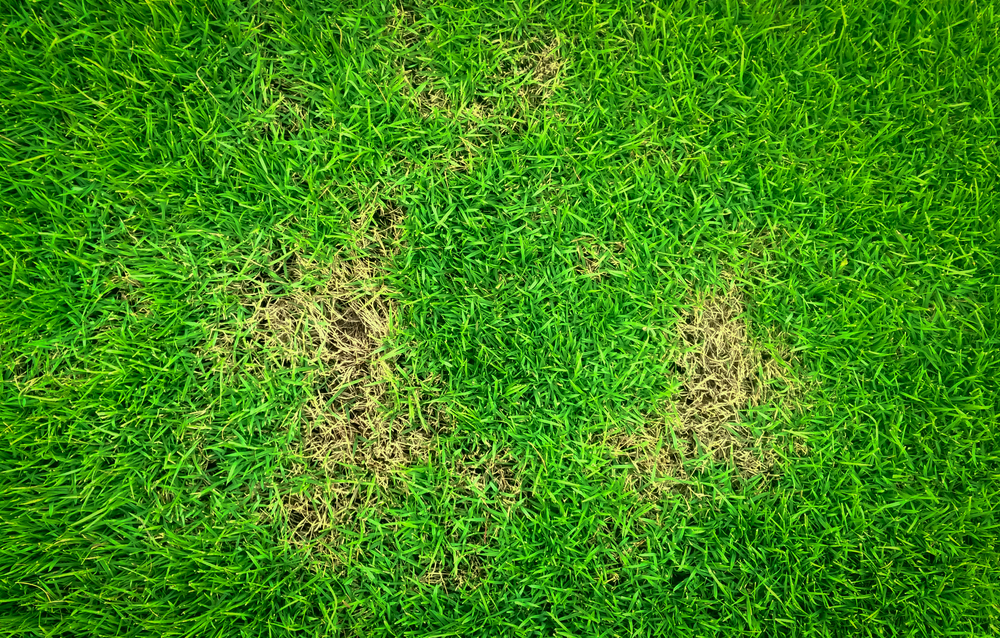
Texas lawns are put through the wringer. Between scorching summers, unpredictable rainfall, clay-heavy soils, and a wide variety of pests and weeds, keeping a yard healthy in the Lone Star State takes real knowledge and consistent effort. Whether you are dealing with patchy grass, stubborn weeds, or soil that drains poorly, understanding the root cause of each problem is the first step toward a lawn you can actually enjoy.
This guide breaks down the most common lawn issues Texas homeowners face and explains how to fix them the right way.
1. Dealing With Patchy, Bare, or Thin Grass
One of the most frustrating issues for Texas homeowners is patchy grass. Bare spots can result from heavy foot traffic, dog activity, drought stress, grub damage, or fungal disease. The first step is identifying why the patch appeared. If the soil is compacted from traffic, aerating the area and top-dressing with compost can help revive growth. If grubs or other insects have destroyed the root system, an insecticide treatment followed by reseeding or resodding is necessary.
For large bare areas or lawns that are beyond repair with overseeding alone, sod installation is the fastest and most effective solution. Laying fresh sod gives you an instant lawn without waiting months for seed to germinate. In Texas, warm-season grasses like St. Augustine, Bermuda, Zoysia, and Buffalo grass are the most popular choices for sod installation because they thrive in the heat and recover quickly from stress. Proper sod installation means preparing the soil correctly, laying the sod tight against adjoining pieces, watering deeply immediately after installation, and keeping foot traffic off it for at least two weeks.
2. Managing Weeds That Take Over Your Lawn
Weeds are a sign that something in your lawn is out of balance. Common Texas culprits include crabgrass, nutsedge, dallisgrass, dollarweed, and clover. These plants move in when grass is thin, soil nutrients are depleted, or mowing habits create opportunities for invasion.
A strong, thick lawn is your best defense against weeds. Pre-emergent herbicides applied in late winter or early spring can prevent weed seeds from germinating. Post-emergent herbicides target weeds that have already sprouted, but they must be selected carefully based on the weed type and your grass variety to avoid damaging the turf. Beyond chemicals, proper lawn mowing habits play a major role in weed control. Mowing too short stresses the grass, thins the canopy, and opens up space for weeds to establish. Keeping your mower blade at the correct height for your grass type, usually between 2.5 and 4 inches depending on the species, helps your lawn outcompete weeds naturally.
3. Fixing Nutrient Deficiencies With the Right Fertilization Plan
Texas soils are notoriously inconsistent. In some parts of the state, the soil is sandy and drains nutrients quickly. In others, it is dense clay that holds water and restricts root growth. Either way, most Texas lawns need a regular fertilization program to stay green and healthy.
A soil test is the smartest starting point. It tells you the exact pH and nutrient levels in your soil so you are not guessing. Most Texas lawns benefit from a nitrogen-heavy fertilizer during the growing season, which runs roughly from April through September for warm-season grasses. Fertilization services provided by a professional lawn care company take the guesswork out of this process. They can assess your lawn, recommend the right fertilizer blend, and apply it at the correct rate and timing to avoid burning the grass or wasting product. Over-fertilizing is a real problem; it can lead to excessive thatch buildup, increased disease susceptibility, and nutrient runoff into local waterways. A proper fertilization services schedule, typically three to four applications per year, gives your lawn steady nutrition without the risk of overload.
4. Solving Drainage and Soil Problems
Poor drainage is a widespread issue in Texas, especially in areas with heavy clay soil. When water pools on the lawn after rain or irrigation, it suffocates grass roots and creates the perfect environment for fungal disease. Low spots, thatch buildup, and compaction all contribute to drainage problems.
Core aeration is one of the most effective treatments for compacted soil. A machine removes small plugs of soil from the ground, allowing air, water, and nutrients to penetrate deeper into the root zone. Dethatching removes the layer of dead grass and organic matter that accumulates between the soil surface and the green blades. When thatch gets thicker than half an inch, it acts as a barrier that blocks water and fertilizer from reaching the roots.
For lawns with persistent standing water, grading the yard to redirect water flow may be necessary. In severe cases, a French drain system installed underground can permanently solve drainage issues. Addressing drainage problems not only protects your grass but also prevents foundation issues for your home, which is a serious concern in many parts of Texas.
5. Battling Lawn Diseases and Pest Damage
Texas lawns are susceptible to a range of fungal diseases, including brown patch, take-all root rot, gray leaf spot, and dollar spot. Brown patch, for example, is triggered by hot, humid nights and excessive nitrogen, making it a common problem in the late summer months across Central and East Texas. It appears as circular brown patches that can expand rapidly if left untreated.
Fungal diseases are best managed through a combination of cultural practices and fungicide treatments. Watering in the early morning rather than the evening gives the grass time to dry before nightfall, reducing the conditions that favor fungal growth. Avoiding excessive fertilization during vulnerable periods also helps. When disease does appear, a systemic fungicide applied by a lawn care professional can stop the spread.
Insect pests are another ongoing challenge. Fire ants, grubs, chinch bugs, and armyworms can all cause significant damage to Texas lawns. Regular inspection of your turf, especially after heavy rain or during dry spells, helps you catch pest problems early. Consistent lawn mowing also plays a role here, because it keeps the canopy open and makes it easier to spot signs of pest activity before damage becomes widespread. Timely treatment with the appropriate insecticide, matched to the specific pest, is essential to preventing large-scale turf loss.
Conclusion
Texas lawns face a unique set of challenges, but they are all manageable with the right approach. Whether you need sod installation to repair bare areas, a consistent fertilization services plan to feed your turf, or better lawn mowing habits to keep weeds and disease in check, addressing problems early always saves time and money in the long run. Healthy lawns do not happen by accident; they are the result of consistent, informed care tailored to the Texas climate.
Need Professional Lawn Care Services Near You?
At Lawns to Remember, we’re here to bring your vision to life with expert lawn care, landscaping, and personalized service you can count on. Whether you need routine maintenance, a full landscape redesign, or specialized care to keep your lawn thriving year-round, our team is ready to deliver results you’ll love. Reach out to us today, and let’s create a lawn worth remembering, together.