

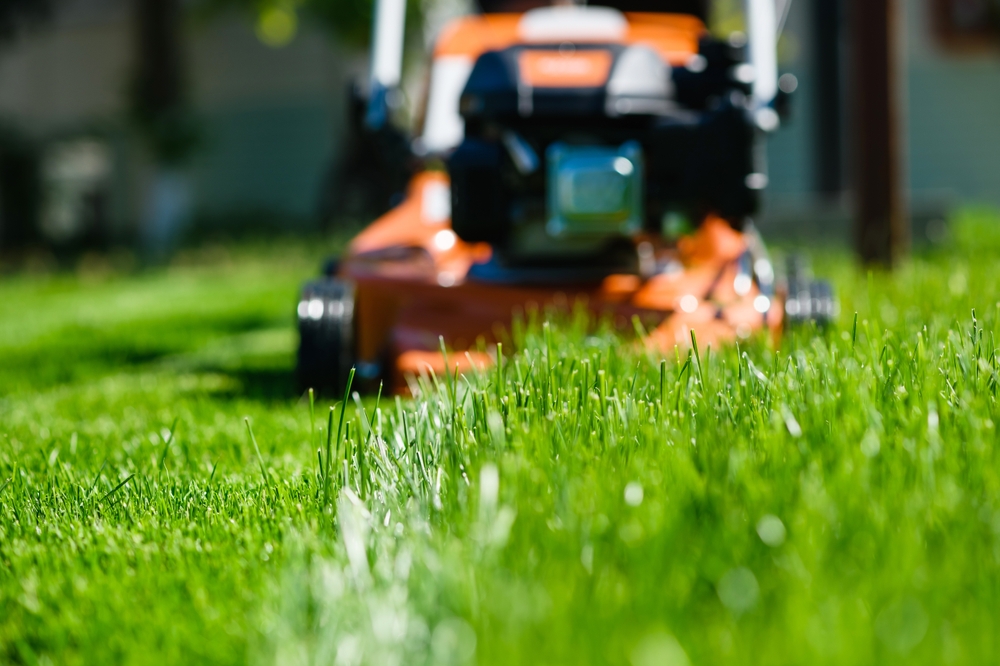
If you live in League City, Texas, you have probably noticed that your lawn seems to grow at an almost relentless pace, especially from spring through early fall. This is not your imagination. League City sits in the Gulf Coast region and experiences a humid subtropical climate, and that combination of heat, moisture, and long growing seasons creates conditions where grass genuinely thrives and, more importantly, grows fast.
Understanding why your lawn demands more frequent mowing in this environment is the first step toward keeping your yard healthy, attractive, and under control all year long.
The Gulf Coast Climate Drives Aggressive Grass Growth
The single biggest reason League City lawns grow faster than those in drier or cooler parts of the country is the local climate itself. Living near the Gulf of Mexico presents specific lawn care challenges that require specialized expertise, and the warm, humid climate creates conditions that can stress lawns while also promoting rapid growth. Warm temperatures and high moisture levels are essentially the perfect recipe for fast-growing turf. When the soil stays warm and the air holds plenty of humidity, grass blades have nearly everything they need to grow continuously.
In League City, Texas, lawn care experts typically recommend weekly mowing service during the growing season from March through October, and bi-weekly service from November through February. That eight-month window of weekly mowing tells you everything you need to know about how active grass is in this region. Unlike homeowners in the northern United States who might mow every ten to fourteen days during cooler summers, League City residents need to stay on a much tighter schedule just to keep up.
The high rainfall that comes with coastal living also feeds grass growth far beyond what many homeowners account for. Soil erosion from occasional heavy rains is a genuine concern for homeowners in League City, and those same rain events trigger significant growth spurts in turf grass almost overnight. After a good summer storm, your lawn can visibly shoot up within just a couple of days.
The Grass Types Common to League City Grow Quickly by Nature
It is not just the weather driving your mowing schedule. The types of grass that grow best in League City are themselves fast-growing varieties. The two grass types that reign supreme in the Texas Gulf Coast region are St. Augustine and Bermuda grass, both of which have a high tolerance to survive and thrive in the local conditions. These warm-season grasses are selected precisely because they can handle the intense Texas sun and the humidity, but that same resilience and vigor means they do not slow down easily. They are built to grow, and in League City’s climate, they do exactly that.
Bermuda grass, in particular, is known for spreading aggressively through both above-ground runners called stolons and below-ground rhizomes. St. Augustine spreads heavily through stolons as well, and both varieties can go from a comfortable height to an unruly overgrown mess within a matter of days during peak summer heat. When warm-season grass varieties like these are matched with a humid subtropical climate, the result is a lawn that simply does not give you much breathing room between mowing sessions.
Letting either of these grasses grow too tall before mowing also creates additional problems beyond aesthetics. Following the one-third rule is essential, which means cutting no more than one-third of the grass blade height at a time to avoid stressing the grass and damaging its root system. If you skip a week and your lawn has grown four or more inches, you are forced to remove too much of the blade at once, which shocks the plant and can lead to brown patches and weakened root systems.
Humidity Creates Conditions That Reward Regular Mowing
Humidity does more than help grass grow faster. It also creates an environment where a poorly maintained, overgrown lawn becomes a much more serious problem. Leaves and debris blocking sunlight while trapping moisture can cause disease and lead to bare spots across a lawn. The same logic applies to grass that is left to grow too long between mow sessions. Tall, dense turf in a humid environment traps moisture at the soil line, restricting airflow and creating ideal conditions for fungal diseases to develop.
Pest control is a significant challenge in League City due to the city’s proximity to water bodies, and mosquitoes and chinch bugs are common pests in this area. Tall, overgrown grass gives these pests ideal shelter and breeding conditions. Chinch bugs in particular love to hide and feed in the thatch layer of warm-season grasses, and thick, uncut turf makes it far easier for infestations to establish and spread undetected. By mowing frequently and keeping grass at a consistent, proper height, you remove much of the habitat that these pests depend on.
Maintaining a grass height of 3.5 inches is recommended to foster a robust lawn capable of naturally inhibiting weed growth. Weeds also thrive in League City’s humid conditions, and an overgrown lawn gives weed seeds more room to take hold and compete with your turf. Frequent mowing at the right height keeps the canopy tight and dense enough to shade out weed seedlings before they can establish.
Consistent Mowing Supports Long-Term Lawn Health
Many homeowners think of mowing as purely a cosmetic task, something you do to make the yard look neat. In reality, for League City lawns, frequent mowing is a genuine health management strategy. Grass clippings left on the lawn provide valuable nutrients back to the soil, containing nitrogen, phosphorus, and potassium, which are essential for healthy lawn growth. However, large clumps of clippings can suffocate the grass underneath, which is why mowing regularly and keeping clippings manageable is important.
When you mow on a consistent weekly schedule during the growing season, clippings are short enough to fall between grass blades and decompose quickly, returning nutrients to the soil without smothering anything. When you skip weeks and then mow a tall lawn all at once, you end up with heavy clumps of clippings that block sunlight and air from reaching the turf below.
Seasonal shifts can significantly influence weed growth, and proactive measures throughout the growing season are essential for keeping a lawn healthy. Regular mowing is one of the most cost-effective proactive measures available to League City homeowners. It controls weeds, discourages pests, prevents disease, and keeps your turf growing in the dense, healthy pattern that makes a lawn both beautiful and resilient.
Fertilization in the early spring from March to April and in the fall from September to October is also recommended, with a tip to apply fertilizer after the second mow of spring. That advice is rooted in the idea that mowing and feeding work together as a system. A well-fed lawn grows vigorously, which means it also needs more frequent mowing to stay in optimal condition.
How to Build the Right Mowing Routine for League City
Building a practical mowing routine for a League City lawn starts with accepting that this is not a once-every-two-weeks chore for most of the year. During peak growth, a League City lawn needs frequent mowing, deep watering, and proper fertilization to stay healthy and looking its best. Planning your schedule around the growing season from March through October as a weekly commitment sets the right foundation.
Using a blade length of one-third during maintenance services is the key principle for healthy grass and sustainable growth. Check your mower blade height before the season begins and make sure it is calibrated to take no more than one-third of your grass height at each pass. This single adjustment, combined with weekly mowing during the growing season, prevents the shock, browning, and uneven patches that come from infrequent, aggressive cutting.
During the late fall and winter months, you can ease off to a bi-weekly schedule, but do not stop entirely. Even in cooler weather, grass still grows more slowly but still needs regular mowing, and yard care does not stop just because conditions are less pleasant outside.
Conclusion
League City’s humid subtropical climate, Gulf Coast rainfall, and fast-growing warm-season grasses create a lawn environment that demands attention. Frequent mowing is not extra work for League City homeowners; it is simply the right work. By staying consistent, following the one-third rule, and adjusting your schedule with the seasons, you give your lawn the best chance to stay healthy, green, and pest-free throughout the year.
Need Professional Lawn Care Services Near You?
At Lawns to Remember, we’re here to bring your vision to life with expert lawn care, landscaping, and personalized service you can count on. Whether you need routine maintenance, a full landscape redesign, or specialized care to keep your lawn thriving year-round, our team is ready to deliver results you’ll love. Reach out to us today, and let’s create a lawn worth remembering, together.