

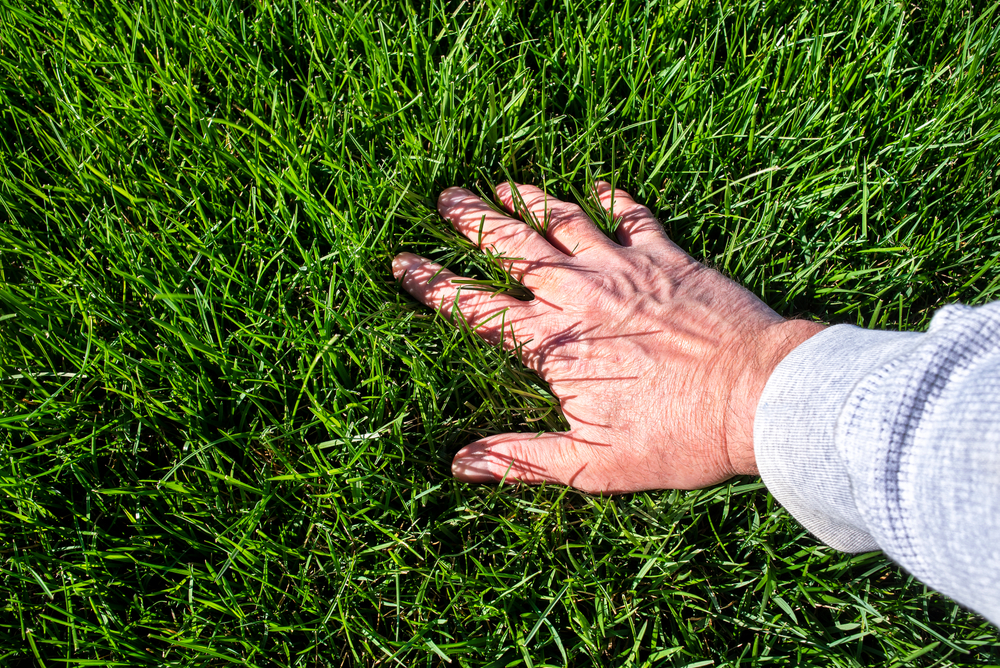
A lush, green lawn is a dream for many homeowners. It’s the centerpiece of your garden, the foundation of outdoor activities, and a reflection of the care you put into your property. However, maintaining healthy, vibrant lawns requires more than just regular mowing and watering. Two often overlooked but essential practices in lawn care are aeration and overseeding. These methods are critical for improving soil health, encouraging robust grass growth, and achieving that picture-perfect lawn.
What is Lawn Aeration and Why It Matters
Aeration is the process of perforating the soil with small holes to allow air, water, and nutrients to penetrate down to the grassroots. Over time, soil becomes compacted, especially in high-traffic areas, limiting the movement of essential resources. This compaction stifles root growth and reduces the lawn’s ability to absorb water and nutrients efficiently. Even a thin layer of compacted soil can make it difficult for grass to thrive.
When a lawn is properly aerated, the soil becomes more receptive to fertilizers and irrigation, helping grass roots to grow deeper and stronger. It also facilitates the decomposition of thatch, the layer of dead grass and roots that can accumulate on the surface. While a little thatch can protect grass roots, too much acts like a barrier, preventing water and nutrients from reaching the soil.
By aerating your lawn at least once a year, typically in the spring or fall, you can prevent these issues and promote a healthier, greener appearance. The timing is crucial because aerating during periods of active growth allows the grass to recover quickly and take full advantage of the improved soil conditions.
The Role of Overseeding in Lawn Renewal
Overseeding involves planting grass seed directly onto existing turf without tearing up the soil. It’s a simple yet powerful technique to rejuvenate tired, patchy lawns. Lawns naturally thin out over time due to environmental stress, diseases, and regular wear and tear. Overseeding helps to fill in bare spots, improve grass density, and introduce more resilient grass varieties that can better withstand drought, pests, and heavy use.
When paired with aeration, overseeding becomes even more effective. The holes created during aeration give the new seeds a better chance to embed into the soil and establish roots. This dual process enhances seed-to-soil contact, improves germination rates, and boosts the overall vigor of your lawn.
The choice of seed is critical when overseeding. It’s important to select grass types that are compatible with your region’s climate and soil conditions. Whether you choose cool-season or warm-season grasses, the goal is to create a thick, uniform turf that can outcompete weeds and resist disease.
Benefits of Combining Aeration and Overseeding
While aeration and overseeding can each benefit your lawn on their own, combining the two creates a powerful synergy. Aeration loosens compacted soil and opens up the lawn, creating ideal conditions for new seeds to take hold. Overseeding then introduces fresh, vigorous grass plants into that environment, accelerating the lawn’s recovery and enhancement.
Together, these practices promote a thicker, greener lawn that is better able to retain moisture, resist pests, and tolerate stress. They also improve the lawn’s aesthetic appeal, giving it a uniform look and a soft, luxurious feel underfoot. This is especially important for homeowners who take pride in their garden’s appearance and want their lawns to look their best throughout the growing season.
Another key benefit of combining aeration and overseeding is improved biodiversity. Introducing new grass varieties can increase the lawn’s genetic diversity, making it more resilient to changes in weather patterns, soil conditions, and disease pressures. Over time, this leads to a more sustainable and self-reliant lawn that requires fewer chemical inputs and less intensive maintenance.
Best Practices for Successful Aeration and Overseeding
To get the most out of aeration and overseeding, timing and technique are crucial. The best time to perform these tasks depends on the type of grass you have. For cool-season grasses, early fall is ideal because the soil is still warm, but the cooler air temperatures support better grass growth. For warm-season grasses, late spring to early summer is more appropriate.
Before aerating, it’s important to water your lawn a day or two in advance so the soil is moist but not soggy. This helps the aerator penetrate the ground more effectively. There are various tools available for aeration, from manual spike aerators to gas-powered core aerators, with the latter offering the most thorough results.
After aeration, spread a high-quality grass seed evenly over the lawn. It’s essential to follow up with watering to keep the seeds moist during the germination period. Consistent watering is especially important during the first few weeks, as young grass seedlings are vulnerable to drying out.
Fertilizing after overseeding can also support the growth of new grass. Use a balanced lawn fertilizer designed for new seedlings, and avoid products that contain weed killers, as these can harm young grass.
Long-Term Gains for Lawn Health and Appearance
The benefits of aeration and overseeding are not just immediate but long-lasting. Lawns that undergo these treatments regularly develop a deeper root system, which in turn enhances their ability to withstand drought, heat, and other stressors. Over time, the soil becomes more aerated and biologically active, supporting a diverse community of beneficial microorganisms.
This biological health translates into a richer, more vibrant lawn that requires less intervention. For example, a dense lawn is naturally more weed-resistant, reducing the need for herbicides. Likewise, healthy soil and robust grass growth mean less reliance on synthetic fertilizers and irrigation.
These long-term benefits are especially valuable for those who view their garden as an investment. Whether you’re preparing your property for sale or simply want to enjoy a beautiful outdoor space, a well-maintained lawn adds curb appeal and increases property value. It also provides a safe, comfortable area for children to play, pets to roam, and family gatherings to take place.
Lawn care professionals often recommend aeration and overseeding as part of an annual maintenance plan. When integrated with mowing, watering, and seasonal fertilization, these practices can transform even the most neglected lawn into a vibrant green carpet.
Conclusion
Aeration and overseeding are two of the most effective strategies in any comprehensive lawn care routine. While they may seem simple, their combined impact on soil health, grass density, and overall lawn appearance is profound. By alleviating soil compaction and introducing new grass seed, these methods rejuvenate lawns from the ground up, fostering healthier growth and a more resilient turf.
Investing in these practices once or twice a year can pay dividends throughout the growing season. From improving water and nutrient uptake to enhancing the visual appeal of your garden, the benefits are clear. A beautiful lawn is not just about aesthetics; it reflects the care and attention you give to your outdoor environment. With proper aeration and overseeding, your lawn can become the thriving, green space you’ve always wanted.
Let your lawn breathe, renew, and grow, starting with the powerful combination of aeration and overseeding.
Need Professional Lawn Care Services Near You?
At Lawns to Remember, we’re here to bring your vision to life with expert lawn care, landscaping, and personalized service you can count on. Whether you need routine maintenance, a full landscape redesign, or specialized care to keep your lawn thriving year-round, our team is ready to deliver results you’ll love. Reach out to us today, and let’s create a lawn worth remembering, together.