

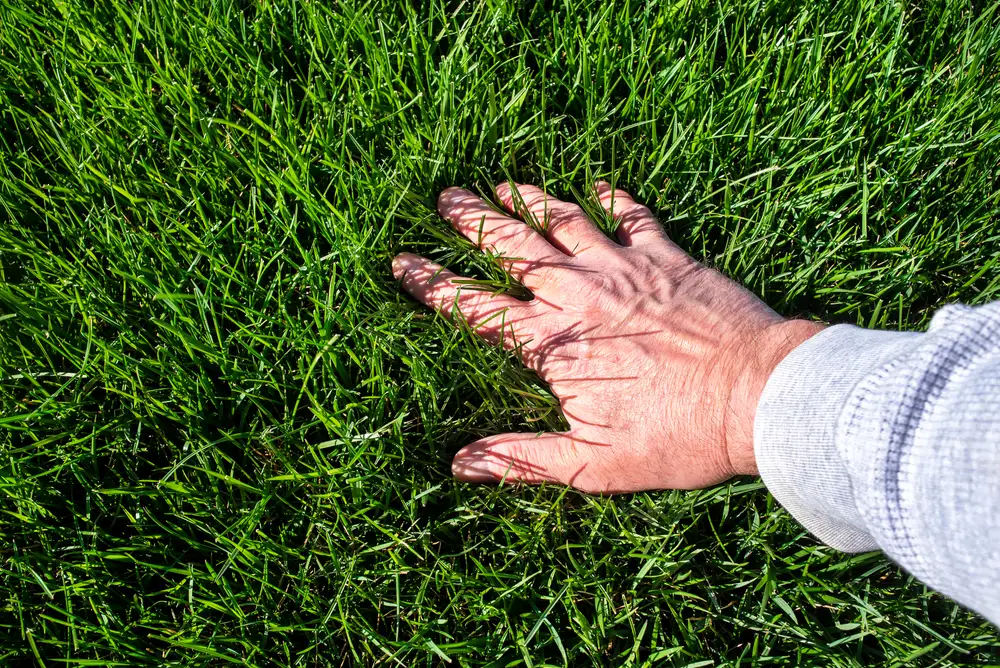
League City homeowners know that keeping a lawn healthy is not as simple as mowing every weekend. The combination of Gulf Coast humidity, intense summer heat, clay soils, heavy rain, and occasional drought can make lawn care challenging throughout the year. A healthy lawn requires a maintenance plan that works with the local climate instead of against it.
Quick Answer
Maintaining a healthy lawn in League City’s climate starts with choosing the right grass, watering deeply but efficiently, mowing at the correct height, fertilizing at the proper times, and staying ahead of weeds, insects, and fungal diseases. Seasonal maintenance tailored to Gulf Coast weather helps lawns stay greener, stronger, and more resilient year-round.
What Local Readers Should Know
-
Warm-season grasses like St. Augustine, Bermuda, and Zoysia generally perform best in the Gulf Coast climate.
-
Clay-heavy soils common throughout Galveston County can hold water longer, making proper drainage just as important as irrigation.
-
Summer heat and humidity create ideal conditions for lawn fungus and chinch bugs if turf is stressed.
-
Properties near Clear Creek, South Shore Harbour, and other low-lying areas may experience additional moisture challenges after heavy rains.
-
Consistent lawn maintenance throughout the year is usually more effective than trying to fix major lawn problems after they develop.
Why This Matters Locally
A lawn in League City experiences very different conditions than one in North or West Texas. High humidity, frequent thunderstorms, long growing seasons, and occasional tropical weather all affect how grass grows and recovers. Even neighborhoods with similar homes can have different drainage patterns, sun exposure, and soil conditions.
At Lawns to Remember, we understand that successful lawn care begins with recognizing how local weather, soil, and seasonal changes influence turf health. We focus on maintenance strategies that help homeowners build healthier lawns instead of relying on temporary fixes.
Local Data and Field Observations
The National Weather Service reports that the upper Texas Gulf Coast regularly experiences long periods of hot temperatures combined with high humidity during the growing season. These conditions encourage rapid grass growth but also increase the risk of fungal diseases, insect activity, and moisture-related lawn stress.
Based on our field observations throughout League City and nearby communities, the most common lawn challenges include compacted clay soil, uneven drainage after heavy rainfall, heat stress during late summer, and weed growth during seasonal transitions.
Local Impact
Healthy lawns do more than improve curb appeal. They help reduce soil erosion, minimize muddy areas after storms, provide safer play spaces for children and pets, and create a more attractive outdoor environment.
In neighborhoods throughout League City, Dickinson, and Friendswood, well-maintained lawns also help properties recover more quickly after heavy rainfall and summer heat waves. Regular maintenance can reduce the likelihood of costly lawn renovations later.
Warning Signs Your Lawn Needs Attention
Some lawn problems develop slowly before becoming obvious. Watch for these warning signs:
-
Brown or thinning patches that continue expanding
-
Standing water after moderate rainfall
-
Grass blades turning yellow instead of green
-
Weeds spreading faster than healthy turf
-
Bare spots that fail to fill in
-
Mushrooms or fungal growth after humid weather
-
Increased insect activity, especially chinch bugs
-
Soil becoming hard and compacted
Addressing these issues early is typically easier than repairing widespread damage.
When to Call a Professional
Many homeowners can handle basic mowing, watering, and seasonal cleanup. However, professional lawn care becomes valuable when problems continue despite regular maintenance.
You should consider professional service if:
-
Large sections of turf continue dying.
-
Drainage issues repeatedly damage the lawn.
-
Weeds return after treatment.
-
Insects or fungal diseases spread quickly.
-
Soil compaction prevents healthy growth.
-
You want a customized maintenance program for your property.
Professional evaluations can identify underlying issues before they become expensive lawn replacement projects.
Common Local Causes of Lawn Problems
1. Summer Heat Stress
Long periods of high temperatures place significant stress on turfgrass. Grass that receives shallow watering often develops weak root systems that struggle during extended heat.
2. High Humidity
League City’s humid climate encourages fungal diseases, especially when lawns remain wet overnight or receive excessive irrigation.
3. Poor Drainage
Heavy clay soils found throughout Galveston County can retain excess moisture, leading to root problems and thinning grass.
4. Lawn Pests
Chinch bugs, sod webworms, and grubs commonly affect Gulf Coast lawns. Early detection helps minimize damage.
5. Improper Mowing
Cutting grass too short weakens turf and exposes soil to additional heat, increasing water loss and weed growth.
Prevention and Maintenance
Preventative care is the most effective way to maintain a healthy lawn.
Water Properly
Water deeply rather than frequently. Early morning irrigation helps reduce evaporation while minimizing prolonged leaf moisture.
Mow at the Right Height
Never remove more than one-third of the grass blade during a single mowing. Taller grass shades the soil and encourages stronger roots.
Fertilize Seasonally
Apply fertilizer according to the needs of your grass variety and local growing conditions rather than using a one-size-fits-all schedule.
Improve Soil Health
Core aeration can reduce compaction while improving water penetration and root development.
Monitor for Problems
Regular inspections allow homeowners to catch insects, weeds, fungal diseases, and irrigation issues before they spread.
Expected Results
A consistent lawn care program typically produces:
-
Thicker turf coverage
-
Improved color
-
Better drought tolerance
-
Fewer weeds
-
Stronger root systems
-
Improved resistance to pests and disease
-
More consistent growth throughout the growing season
Results depend on the lawn’s current condition, grass variety, weather patterns, and ongoing maintenance.
Common Mistakes
Mistake: Watering Every Day
Consequence: Shallow roots and increased disease risk.
Better Approach: Water deeply several times per week as conditions require.
Mistake: Cutting Grass Too Short
Consequence: Heat stress and weed invasion.
Better Approach: Maintain the recommended mowing height for your grass type.
Mistake: Ignoring Drainage
Consequence: Root damage and standing water.
Better Approach: Address grading and drainage concerns before they create long-term problems.
Mistake: Fertilizing at the Wrong Time
Consequence: Weak growth or unnecessary stress.
Better Approach: Follow seasonal recommendations for warm-season grasses.
Common Local Scenario
A homeowner notices that sections of their lawn begin turning brown during late July despite regular watering. After inspection, the issue turns out to be a combination of chinch bug activity and heat stress rather than drought. Once the underlying problems are addressed and maintenance practices are adjusted, the lawn gradually recovers over the following growing season.
Related Service Solutions
Professional lawn care services may include:
-
Routine lawn mowing
-
Seasonal fertilization
-
Weed control
-
Aeration
-
Lawn health inspections
-
Pest management
-
Soil improvement recommendations
-
Seasonal cleanup
Comparing Your Options
| DIY Lawn Care | Professional Lawn Care |
|---|---|
| Lower upfront cost | Customized maintenance plan |
| Requires homeowner time | Consistent service schedule |
| Learning curve for local conditions | Experience with Gulf Coast lawn challenges |
| May miss developing problems | Early identification of issues |
| Basic equipment needed | Professional equipment and expertise |
Service Areas
We proudly serve homeowners throughout League City as well as nearby communities including Friendswood, Dickinson, Webster, Kemah, and surrounding areas throughout Galveston County.
Cost of Ignoring Lawn Problems
Small lawn issues rarely stay small. Ignoring thinning grass, drainage problems, insects, or weeds can eventually require significant renovation or sod replacement. Routine maintenance is often less costly than correcting years of neglected lawn care.
Frequently Asked Questions
What type of grass grows best in League City?
Warm-season grasses such as St. Augustine, Bermuda, and Zoysia generally perform well because they tolerate the area’s heat, humidity, and long growing season.
How often should I water my lawn in League City?
Deep watering several times per week is generally more effective than daily shallow watering. Actual frequency depends on rainfall, soil conditions, and seasonal temperatures.
Why does my lawn develop brown patches during summer?
Brown patches may result from heat stress, insects, fungal diseases, poor drainage, or irrigation problems. Identifying the underlying cause is important before choosing a treatment.
Does clay soil affect lawn health in Galveston County?
Yes. Clay soil holds moisture well but can become compacted, reducing oxygen and water movement around grass roots.
When is the best time to fertilize warm-season grass?
Most warm-season lawns benefit from fertilization during active growth, typically beginning in spring after the grass has fully greened up and continuing according to a seasonal maintenance schedule.
How can I reduce weeds without damaging my lawn?
Healthy turf is one of the best defenses against weeds. Proper mowing, fertilization, watering, and timely weed control help prevent weeds from becoming established.
Should I aerate my lawn?
Aeration can benefit lawns with compacted soil by improving air circulation, water infiltration, and root growth. Many Gulf Coast lawns benefit from periodic aeration.
Can professional lawn care improve an established lawn?
Yes. A customized maintenance program can improve turf density, reduce weed pressure, strengthen root systems, and address local conditions that affect long-term lawn health.
Keeping Your Lawn Healthy Year After Year
League City’s unique climate rewards homeowners who stay consistent with lawn care rather than reacting only when problems appear. By understanding local weather patterns, choosing appropriate maintenance practices, and addressing issues early, you can enjoy a healthier, greener lawn throughout the growing season.
Get Expert Lawn Care Designed for League City
A healthier lawn starts with a maintenance plan built for Gulf Coast conditions.