

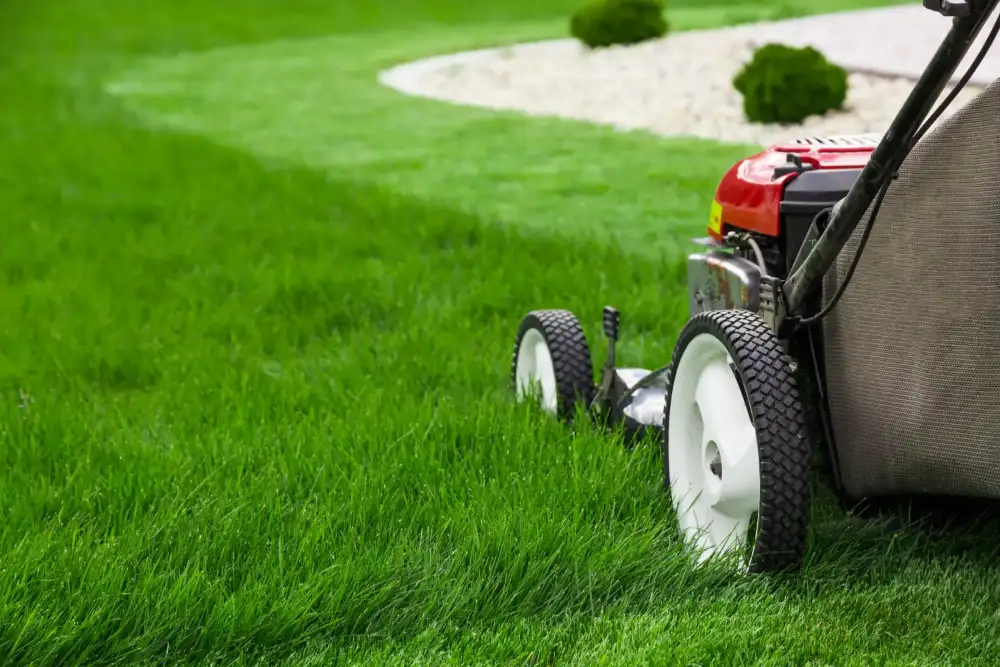
Keeping a lawn healthy along the Texas Gulf Coast takes more than lawn mowing whenever the grass looks tall. Warm temperatures, humidity, heavy rainfall, and long growing seasons mean lawns in League City can grow quickly for much of the year. Understanding when and how often to mow helps protect your grass, improve curb appeal, and reduce stress on your landscape.
Quick Answer
Most lawns in League City, TX should be mowed every 5 to 7 days during the peak growing season from late spring through early fall. During cooler months, mowing typically slows to every 2 to 4 weeks or may stop temporarily if grass becomes dormant. The right schedule depends on your grass type, rainfall, temperature, and overall lawn health.
What Local Readers Should Know
-
Most St. Augustine and Bermuda lawns grow rapidly between April and October due to warm Gulf Coast weather.
-
Heavy rainfall from Galveston Bay weather patterns can accelerate grass growth and require more frequent mowing.
-
Clay-rich soils common in Galveston County benefit from proper mowing height to reduce stress during hot weather.
-
Nearby communities such as Dickinson, Clear Lake, Friendswood, and Kemah experience similar mowing schedules because of shared climate conditions.
-
Following the one-third rule helps keep grass healthier regardless of the season.
Why This Matters Locally
League City experiences a humid subtropical climate with long, warm growing seasons. Grass often begins actively growing much earlier than in other parts of the country and continues well into the fall. Frequent rain, high humidity, and abundant sunshine create ideal conditions for turf growth, but they also increase the risk of disease if lawns are cut improperly.
At Lawns to Remember, we help homeowners maintain attractive, healthy lawns by adjusting mowing schedules throughout the year instead of following a one-size-fits-all routine. We focus on what your lawn actually needs based on local growing conditions.
Local Field Observations
Based on our experience maintaining Gulf Coast lawns, St. Augustine grass tends to require weekly mowing during periods of rapid growth, especially after several days of rainfall. Bermuda grass may need mowing even more frequently when fertilized and irrigated regularly.
Many neighborhood lawns near Clear Creek and throughout western League City experience accelerated growth because of abundant moisture and fertile soils. Adjusting mowing frequency instead of sticking to a fixed calendar helps maintain healthier turf.
How Often Should You Mow During Each Season?
The best mowing schedule changes throughout the year based on grass growth.
Spring
As temperatures warm, grass begins growing rapidly.
Recommended schedule:
-
Every 7 to 10 days in early spring
-
Every 5 to 7 days by late spring
-
Watch for rapid growth after seasonal rain
Spring is also an excellent time to sharpen mower blades and inspect your irrigation system.
Summer
Summer usually requires the most frequent mowing.
Most lawns need:
-
Every 5 to 7 days for St. Augustine
-
Every 4 to 6 days for fast-growing Bermuda
-
Slightly less often during drought conditions
Avoid cutting grass too short during extreme heat. Taller grass shades the soil and helps conserve moisture.
Fall
Growth begins slowing as temperatures become milder.
Most lawns only require:
-
Every 7 to 14 days
-
Less frequent mowing as daylight decreases
-
Continued attention until grass naturally slows
Leaves should be mulched or removed so they do not smother the lawn.
Winter
Many warm-season grasses enter dormancy during winter.
Typical mowing schedule:
-
Every 2 to 4 weeks if growth continues
-
Possibly no mowing for several weeks during cooler weather
-
Remove debris rather than mowing dormant grass unnecessarily
Why Proper Mowing Frequency Matters
Mowing at the right interval keeps your lawn healthier in several ways.
Benefits include:
-
Stronger root development
-
Better drought tolerance
-
Reduced weed competition
-
Improved resistance to lawn diseases
-
More consistent appearance
-
Better fertilizer performance
Cutting too infrequently forces you to remove excessive grass at one time, which can stress the lawn.
Warning Signs Your Lawn Needs Mowing
Your lawn may be ready for mowing if you notice:
-
Grass exceeding its recommended mowing height
-
Seed heads beginning to appear
-
Uneven patches throughout the yard
-
Grass blades bending over instead of standing upright
-
The lawn looking shaggy after recent rainfall
-
Clippings becoming excessive because mowing has been delayed
-
Increased insect activity in overly tall grass
Common Local Causes of Fast Grass Growth
Several regional factors influence how quickly lawns grow around League City.
Warm Temperatures
Long growing seasons allow warm-season grasses to remain active for much of the year.
Gulf Coast Humidity
High humidity helps maintain moisture levels that encourage vigorous turf growth.
Frequent Rainfall
Storm systems moving through Galveston County often provide bursts of rainfall that rapidly increase growth.
Fertilization
Well-fertilized lawns naturally require more frequent mowing.
Irrigation
Automatic sprinkler systems can extend active growth during dry periods.
Prevention and Maintenance
Keeping a lawn healthy requires more than simply mowing on schedule.
Follow these maintenance practices:
-
Never remove more than one-third of the grass blade at one time.
-
Keep mower blades sharp for cleaner cuts.
-
Change mowing directions regularly to prevent ruts.
-
Water deeply but less frequently.
-
Adjust mowing height during summer heat.
-
Remove excessive thatch when needed.
-
Monitor for disease after periods of prolonged humidity.
Expected Results
A properly maintained mowing schedule helps produce:
-
Thicker turf
-
Fewer weeds
-
Healthier root systems
-
Better color throughout the growing season
-
Improved resistance to heat stress
-
More attractive curb appeal
Consistent care also reduces the likelihood of needing costly lawn renovation later.
Common Mistakes
Mowing Too Short
Consequence: Scalping exposes soil, weakens grass, and encourages weeds.
Better approach: Maintain the recommended mowing height for your grass variety.
Waiting Too Long Between Cuts
Consequence: Removing too much grass stresses the lawn.
Better approach: Adjust mowing frequency during peak growth.
Using Dull Blades
Consequence: Torn grass blades become more susceptible to disease.
Better approach: Sharpen blades several times during the growing season.
Mowing Wet Grass
Consequence: Uneven cuts and clumping can damage turf.
Better approach: Allow the lawn to dry before mowing whenever possible.
Common Local Scenario
A homeowner in one of League City’s established neighborhoods skips mowing for nearly two weeks after several days of heavy rain. The grass grows rapidly, requiring a large portion of each blade to be removed during one mowing session. The lawn develops brown patches from stress and takes several weeks to recover. A more frequent schedule during rainy periods could have prevented the damage.
Related Lawn Care Services
Regular mowing works best alongside other routine lawn maintenance services, including:
-
Lawn fertilization
-
Weed control
-
Seasonal cleanups
-
Mulching
-
Shrub trimming
-
Landscape maintenance
-
Irrigation inspections
Combining these services helps maintain a healthier landscape throughout the year.
Comparing Your Options
| Option | Benefits | Considerations |
|---|---|---|
| DIY Mowing | Lower equipment cost if already owned | Requires time, maintenance, and seasonal adjustments |
| Professional Lawn Maintenance | Consistent schedule, proper mowing height, experienced care | Ongoing service investment |
| Occasional Mowing | Lower short-term expense | Often leads to inconsistent lawn health |
| Routine Maintenance Program | Healthier lawn year-round with predictable care | Best long-term results for most homeowners |
Service Areas
We proudly serve homeowners throughout League City as well as nearby communities including Friendswood, Dickinson, Kemah, Clear Lake, Webster, and other surrounding areas across Galveston County.
Cost of Ignoring Proper Lawn Maintenance
Allowing grass to become overgrown can lead to increased weeds, lawn diseases, pest activity, and unnecessary stress on your turf. Over time, recovering from neglected maintenance often requires more effort and expense than following a consistent mowing schedule.
Frequently Asked Questions
How often should I mow St. Augustine grass in League City?
Most St. Augustine lawns in League City benefit from mowing every 5 to 7 days during peak growing months. Growth slows considerably during cooler weather.
Does rainfall affect mowing frequency?
Yes. Heavy rainfall throughout the Gulf Coast often speeds up grass growth, requiring more frequent mowing after storms.
Should I mow during a Texas heat wave?
Yes, but avoid cutting grass too short. Keeping grass slightly taller helps protect roots from excessive heat and reduces moisture loss.
What is the one-third mowing rule?
The one-third rule means never removing more than one-third of the grass blade during a single mowing. This minimizes stress and promotes healthier growth.
Is Bermuda grass mowed differently than St. Augustine?
Yes. Bermuda grass is generally maintained at a shorter height and may require more frequent mowing because of its rapid growth.
When does mowing season end in Galveston County?
Most lawns continue growing into late fall. Winter mowing depends on temperatures and whether your warm-season grass has entered dormancy.
Should I bag or mulch grass clippings?
Mulching is often beneficial because it returns nutrients to the soil, provided the lawn is mowed regularly and clippings are not excessive.
Can professional lawn maintenance improve lawn health?
Yes. Consistent mowing at the proper height, combined with seasonal maintenance, supports stronger root systems and healthier turf throughout the year.
Keep Your League City Lawn Looking Its Best
A consistent mowing schedule is one of the simplest ways to maintain a healthier lawn throughout the year. Adjusting your routine for seasonal growth and local weather conditions helps protect your investment while improving curb appeal.
Ready for Reliable Lawn Care in League City?
Our team provides dependable lawn maintenance tailored to local growing conditions, helping homeowners enjoy healthier, better-looking landscapes all year long.