

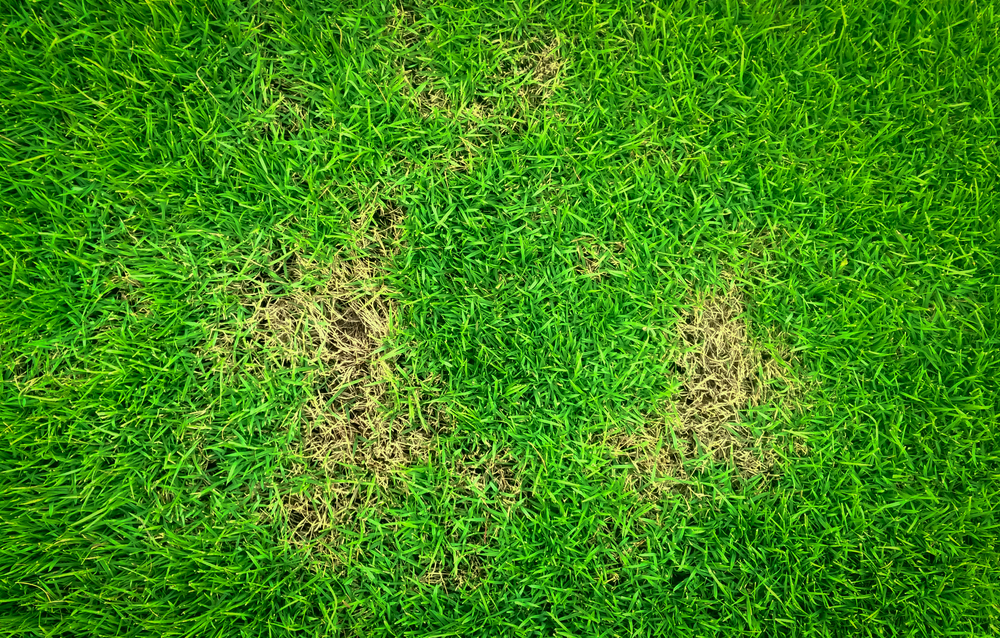
A healthy lawn in League City should stay green, thick, and resilient through the growing season, even with Southeast Texas heat and humidity. If your yard is becoming patchy, overrun with weeds, or struggling after heavy rainfall, it may be telling you that routine mowing alone is no longer enough.
Quick Answer
Five common signs your lawn needs professional lawn maintenance are thinning grass, persistent weeds, uneven growth, poor drainage, and increasing pest or disease activity. In League City, warm temperatures, coastal humidity, clay soils, and seasonal rain create conditions where lawn problems can develop quickly. Addressing these issues early helps protect your property’s appearance and supports healthier turf throughout the year.
What Local Readers Should Know
-
League City lawns often face stress from prolonged heat, high humidity, and sudden heavy rain.
-
Clay-heavy soils throughout Galveston County can contribute to drainage problems that weaken turf.
-
Common warm-season grasses such as St. Augustine and Bermuda require different maintenance schedules throughout the year.
-
Neighborhoods near Clear Creek and the Gulf Coast frequently experience moisture conditions that encourage fungal lawn diseases.
-
Regular professional maintenance helps identify developing issues before they require expensive lawn restoration.
Why This Matters Locally
Professional lawn maintenance is especially valuable in League City because local growing conditions can change rapidly. Extended periods of heat, frequent afternoon thunderstorms, and high humidity all influence how grass grows and recovers from stress.
Whether you live near South Shore Harbour, Tuscan Lakes, Victory Lakes, or Brittany Lakes, your lawn experiences conditions unique to the upper Texas Gulf Coast. Heavy clay soils can hold water after storms, while intense summer sun places additional stress on turf.
At Lawns to Remember, we understand how these local conditions affect residential landscapes. Our goal is to help homeowners maintain healthy, attractive lawns that thrive throughout the changing seasons.
Local Field Observations
Professional field observations consistently show that many lawn issues begin gradually rather than appearing overnight. During routine maintenance visits, it’s common to see small areas of thinning grass, isolated weed growth, or drainage concerns that can often be corrected before they spread across the property.
In League City and nearby communities like Dickinson, Friendswood, and Webster, lawns frequently experience seasonal stress during periods of prolonged rainfall followed by intense heat. Recognizing these patterns early often leads to simpler maintenance solutions.
Local Impact
Poor lawn health affects more than appearance.
Thin or damaged turf allows weeds to spread faster, exposes soil to erosion during heavy rain, and creates muddy areas around walkways and patios. Over time, neglected lawns may require extensive renovation instead of routine maintenance.
For homeowners preparing to sell, an unhealthy lawn can also reduce curb appeal. For families, sparse grass provides less usable outdoor space for children and pets.
5 Warning Signs Your Lawn Needs Professional Lawn Maintenance
1. Your Grass Is Becoming Thin or Patchy
Thin grass is one of the earliest indicators that your lawn is struggling.
Bare spots may develop because of soil compaction, excessive shade, disease, insect damage, or improper mowing practices. Once healthy turf begins disappearing, weeds often move into the open areas.
2. Weeds Keep Returning
A few weeds are normal.
However, if weeds continue appearing shortly after being removed, they usually indicate an underlying lawn health issue rather than simply poor luck.
Healthy turf naturally crowds out many weeds. When grass weakens, unwanted plants gain space to spread throughout the yard.
3. Your Lawn Grows Unevenly
Sections that grow much faster or slower than the rest of the yard often point to uneven soil conditions or maintenance problems.
Some areas may receive too much water while others remain dry. Nutrient deficiencies or compacted soil can also create inconsistent growth patterns across the property.
4. Water Stays on the Lawn After Rain
Standing water should disappear within a reasonable amount of time after rainfall.
If puddles remain for extended periods, your lawn may have drainage problems or compacted soil. Persistent moisture increases the risk of root disease and weakens turf over time.
5. You Notice More Pests or Lawn Disease
Brown patches, unusual discoloration, thinning grass, or increased insect activity often signal developing lawn health problems.
Warm, humid conditions around League City can encourage fungal diseases, while stressed turf becomes more vulnerable to chinch bugs, grubs, and other common lawn pests.
When to Call a Professional
Professional lawn maintenance is recommended when problems continue despite regular watering and mowing or when multiple symptoms appear at the same time.
Homeowners can safely monitor grass color, mowing height, and irrigation schedules. However, diagnosing diseases, correcting soil issues, developing fertilization programs, and creating long-term maintenance plans often require professional evaluation.
Common Local Causes
Several local conditions contribute to lawn problems throughout League City.
Heat Stress
Long periods of summer heat place significant stress on warm-season grasses, particularly when rainfall becomes inconsistent.
High Humidity
Coastal humidity creates favorable conditions for fungal diseases that can spread quickly through weakened lawns.
Clay Soils
Many properties in Galveston County contain clay-heavy soils that retain moisture after storms while becoming hard during dry periods.
Improper Watering
Too much or too little irrigation can weaken root systems and encourage disease.
Inconsistent Maintenance
Irregular mowing, delayed fertilization, and neglected edging allow small problems to become larger landscape issues.
Prevention and Maintenance
Preventing lawn problems is generally easier than correcting them.
Helpful maintenance practices include:
-
Mow regularly using the proper height for your grass type.
-
Water deeply instead of watering lightly every day.
-
Watch for discoloration or thinning before problems spread.
-
Remove weeds while populations remain small.
-
Schedule seasonal lawn evaluations to identify developing concerns.
Professional maintenance also helps ensure fertilization, mowing schedules, and seasonal treatments match local growing conditions.
Expected Results
Professional lawn maintenance supports healthier growth, improved curb appeal, and stronger turf over time.
While severely damaged lawns may require additional restoration, consistent maintenance often leads to thicker grass, fewer weeds, improved color, and better resilience during periods of heat and heavy rainfall.
Common Mistakes
Mowing Too Short
Cutting grass too low weakens root systems and allows weeds to establish more easily.
A better approach is maintaining the recommended mowing height for your grass variety.
Overwatering
Excessive watering encourages shallow roots and increases disease risk.
Instead, water deeply and adjust irrigation according to weather conditions.
Ignoring Small Problems
Waiting until large brown patches develop often increases both repair time and maintenance costs.
Addressing issues early usually produces better long-term results.
Common Local Scenario
A homeowner notices several small brown patches developing during a humid summer. Thinking the lawn simply needs more water, irrigation is increased. Instead of improving, the affected areas continue spreading because excess moisture contributes to disease development.
After a professional lawn evaluation, the irrigation schedule is adjusted, damaged areas receive appropriate treatment, and routine maintenance helps restore healthier growth over time.
Related Service Solutions
Professional lawn maintenance often includes services such as:
-
Routine mowing
-
Lawn fertilization
-
Weed control
-
Seasonal cleanups
-
Lawn health evaluations
-
Landscape bed maintenance
-
Edging and trimming
These services work together to improve overall lawn health while reducing recurring problems.
Comparing Your Options
| DIY Maintenance | Professional Lawn Maintenance |
|---|---|
| Handles basic mowing and watering | Includes comprehensive lawn health monitoring |
| May overlook early disease or pest issues | Identifies developing problems sooner |
| Requires homeowner research and scheduling | Maintenance plans are tailored to local growing conditions |
| Can become time consuming | Saves time while promoting healthier turf |
Service Areas
We proudly provide lawn maintenance services throughout League City and surrounding communities, including Dickinson, Friendswood, Webster, Kemah, and other nearby areas throughout Galveston County.
Local knowledge helps us tailor maintenance recommendations to the conditions homeowners experience across the upper Texas Gulf Coast.
Cost of Ignoring the Issue
Delaying lawn maintenance often allows small concerns to become larger and more expensive.
Untreated weeds spread, compacted soil worsens, drainage issues continue affecting root health, and damaged turf may eventually require renovation rather than routine care.
Frequently Asked Questions
How often should lawns be professionally maintained in League City?
Most League City lawns benefit from regular maintenance throughout the growing season. Service frequency depends on grass type, weather, and growth rates, but consistent care generally produces healthier, more attractive turf.
Why is my League City lawn turning brown during summer?
Brown grass often results from heat stress, improper watering, pests, disease, or compacted soil. Professional evaluation helps determine the underlying cause before selecting the appropriate treatment.
Are weeds more common in coastal Texas lawns?
Yes. Warm temperatures and long growing seasons create favorable conditions for many weed species. Healthy turf combined with consistent maintenance helps reduce recurring weed problems.
Can heavy rain damage my lawn?
Yes. Heavy rainfall can create drainage problems, compact soil, and increase disease risk, especially in clay-heavy soils common throughout Galveston County.
Is professional lawn maintenance worth it for established lawns?
Yes. Even healthy lawns benefit from routine maintenance that promotes consistent growth, identifies developing issues early, and supports long-term lawn health.
What grass types are common around League City?
St. Augustine and Bermuda are among the most common warm-season grasses found throughout League City and neighboring Gulf Coast communities. Each requires specific mowing and maintenance practices.
Closing
A healthy lawn doesn’t happen by accident, especially in the unique climate of League City. Recognizing early warning signs allows homeowners to address problems before they become larger and more expensive to correct. With consistent care and maintenance tailored to local conditions, your lawn can remain healthy, attractive, and enjoyable throughout the year.
Keep Your League City Lawn Looking Its Best
Our team is here to help you maintain a healthier lawn with dependable, professional care designed for local growing conditions.