

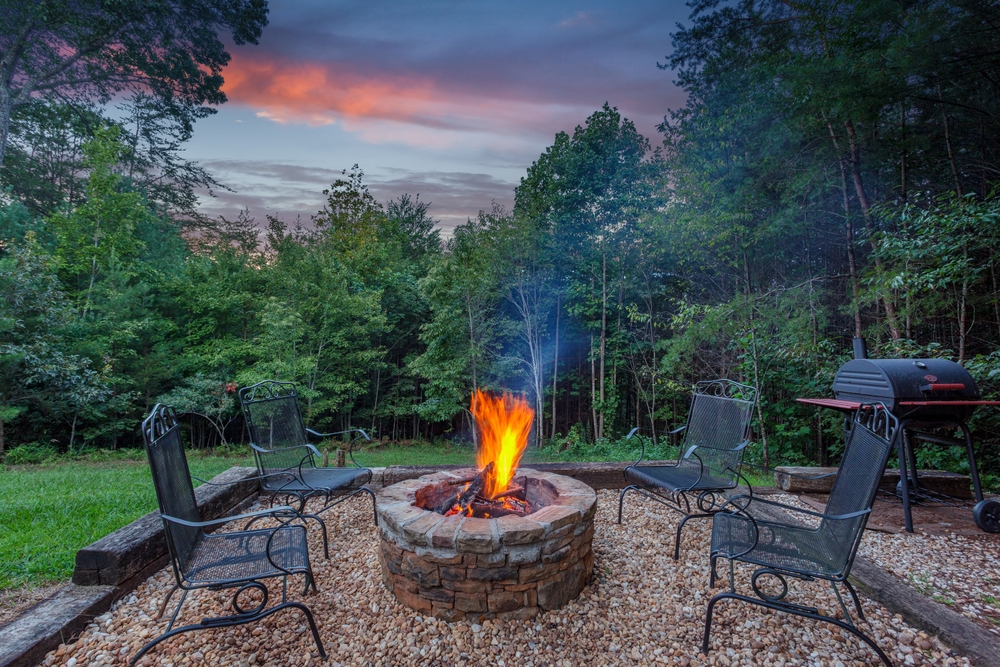
Backyard fire pits have become increasingly popular in Texas. They add charm to outdoor gatherings, offer warmth during colder months, and serve as a great tool for grilling or roasting marshmallows. But with this growing popularity comes a lot of confusion about what is legally allowed. One of the most frequently asked questions by Texas homeowners is whether a permit is required for a backyard fire pit. Understanding local backyard fire pit rules, fire pit permit requirements, and residential fire pit regulations is essential for staying compliant and ensuring the safety of your home and neighborhood.
Are Backyard Fire Pits Legal in Texas?
Yes, backyard fire pits are generally legal in Texas, but with specific conditions. Texas does not have a statewide ban on recreational fires such as those made in fire pits. However, the legality of your fire pit depends on several factors including where you live, the size of the fire, local burn bans, and proximity to structures or vegetation.
Municipalities and counties may impose their own residential fire pit regulations. For instance, what is allowed in a rural part of Texas may be restricted in an urban setting like Dallas, Austin, or Houston. City ordinances can vary significantly and are often stricter in highly populated areas. These regulations may include distance requirements from buildings, rules about acceptable fuel types, and restrictions during drought or burn bans.
Even if your city does not require a formal permit, you still need to comply with local fire codes. Most Texas cities follow outdoor fire safety guidelines issued by the Texas Commission on Environmental Quality (TCEQ) and local fire departments, which are designed to minimize risk and protect air quality.
When Is a Permit Required for a Backyard Fire Pit?
While most recreational fires in small, controlled fire pits do not require a permit, there are exceptions. A permit may be required if the fire pit is large, used for commercial purposes, or constructed with permanent materials like masonry or concrete.
For example, if you are building a custom fire pit that includes gas lines or other complex components, your city may require a construction permit. Similarly, if the fire pit is part of a larger outdoor structure such as a kitchen or patio with electrical or plumbing work, then building codes likely apply and you will need official approval before proceeding.
Some homeowners associations (HOAs) have their own fire pit permit requirements. These may involve submitting plans for review or obtaining written permission from the HOA board. Failing to follow HOA rules could result in fines or demands for removal.
Also, during active burn bans, permits may be suspended entirely. Texas counties frequently issue temporary burn bans during periods of high fire risk, especially in the summer months. It is important to check with your local fire department or county website for up-to-date information before lighting any outdoor fire.
What Are the General Backyard Fire Pit Rules in Texas?
While regulations vary, several standard rules apply across most parts of Texas. First, the fire should be contained in a device specifically designed for burning, such as a manufactured fire pit, chiminea, or ring made of non-combustible materials. Open ground fires are often prohibited.
Second, you must maintain a safe distance from structures. The general recommendation is to place your fire pit at least 10 to 25 feet away from any buildings, fences, or trees. This space helps prevent the fire from spreading and reduces the risk of heat damage or accidental ignition.
Only burn clean, dry wood or approved fuel. Burning trash, treated wood, plastic, or other prohibited materials can release toxic smoke and violate air quality regulations. TCEQ strictly forbids the outdoor burning of household waste, even in a private setting.
It is also essential to monitor the fire at all times. You should never leave a fire pit unattended and should always have extinguishing tools on hand such as a hose, shovel, or fire extinguisher. Many fire departments recommend avoiding fires on windy days, as wind can easily carry sparks and embers to nearby structures or dry grass.
Lastly, keep noise and smoke under control to avoid disturbing neighbors. If someone reports your fire as a nuisance due to excessive smoke or odor, authorities may intervene even if you are following the rules.
How Do Local Fire Departments Enforce Fire Pit Regulations?
Local fire departments are usually the first point of contact when it comes to enforcing outdoor fire safety guidelines. They are responsible for responding to complaints, inspecting fire pit installations, and issuing citations when necessary.
If someone calls in a complaint about smoke or an unattended fire, firefighters may arrive to assess the situation. In some cases, they may order the fire to be extinguished immediately, especially if it is deemed unsafe. Repeat violations can result in fines or legal consequences.
Fire departments also conduct inspections for permanent fire pit installations. If your project requires a permit, they may visit your property to confirm that all safety standards have been met. This could include checking the pit’s location, materials, gas line installation (if applicable), and general compliance with residential fire pit regulations.
Educational outreach is another important role of local fire authorities. Many departments publish outdoor fire safety guidelines on their websites or offer brochures that explain the rules in plain language. Some even host community workshops to promote safe fire pit use and proper fire extinguishing techniques.
Tips for Staying Safe and Compliant
Safety should always be your top priority when using a backyard fire pit in Texas. Even if you are not required to get a permit, following best practices reduces the risk of injury or property damage.
Start by reviewing local codes and speaking with your city’s permitting office. They can provide information specific to your address and answer questions about fire pit permit requirements. If you live in an HOA community, read your covenant documents or consult with board members to understand any additional limitations.
Before lighting your fire, check the weather and current burn ban status. Many Texas counties publish this information online or provide hotlines for public use. Avoid lighting fires on dry or windy days, as conditions can escalate quickly and create hazardous situations.
Choose the right location for your fire pit, away from trees, overhangs, and structures. Make sure the ground is level and stable, and that the fire pit is set up on a non-flammable surface. Keep water or a fire extinguisher nearby and never leave the fire unattended.
After the fire is out, dispose of ashes properly. Store them in a metal container with a lid and allow them to cool completely before disposal. Never dump hot ashes in the trash or on the ground.
By following these outdoor fire safety guidelines, you can enjoy your fire pit responsibly and avoid costly mistakes.
Conclusion
Backyard fire pits are a wonderful addition to any Texas home, but they come with responsibilities. While a formal permit is not always required, understanding local backyard fire pit rules is crucial. Each city and county may have unique residential fire pit regulations, and some HOAs add extra layers of control. Whether you’re hosting friends for s’mores or just relaxing by the flames, it’s important to prioritize safety and legality.
Check with local officials, stay aware of burn bans, and always follow outdoor fire safety guidelines. Doing so not only protects your property but also helps ensure that fire pits remain a welcomed tradition in Texas neighborhoods. With the right precautions, your fire pit can be both a safe and enjoyable part of your outdoor living space.
Need Professional Lawn Care Services Near You?
At Lawns to Remember, we’re here to bring your vision to life with expert lawn care, landscaping, and personalized service you can count on. Whether you need routine maintenance, a full landscape redesign, or specialized care to keep your lawn thriving year-round, our team is ready to deliver results you’ll love. Reach out to us today, and let’s create a lawn worth remembering, together.